
How Damaged Gutters Compromise Home Siding
When we think about protecting our homes from unpredictable Tulsa weather, the roof is usually the first thing that comes to mind. However, your home's exterior defense system relies heavily on a delicate balance between your roof, gutters, and siding working together seamlessly. When one component fails, the others are forced to bear the brunt of the elements.
During our notorious Spring Storm Season, heavy downpours put your drainage system to the ultimate test. If your gutters are damaged, clogged, or pulling away from the fascia, the rainwater has nowhere to go but down the side of your house. What starts as a minor drip can quickly escalate into a major headache, proving exactly how overflowing gutters cause siding damage that threatens the structural integrity of your home.
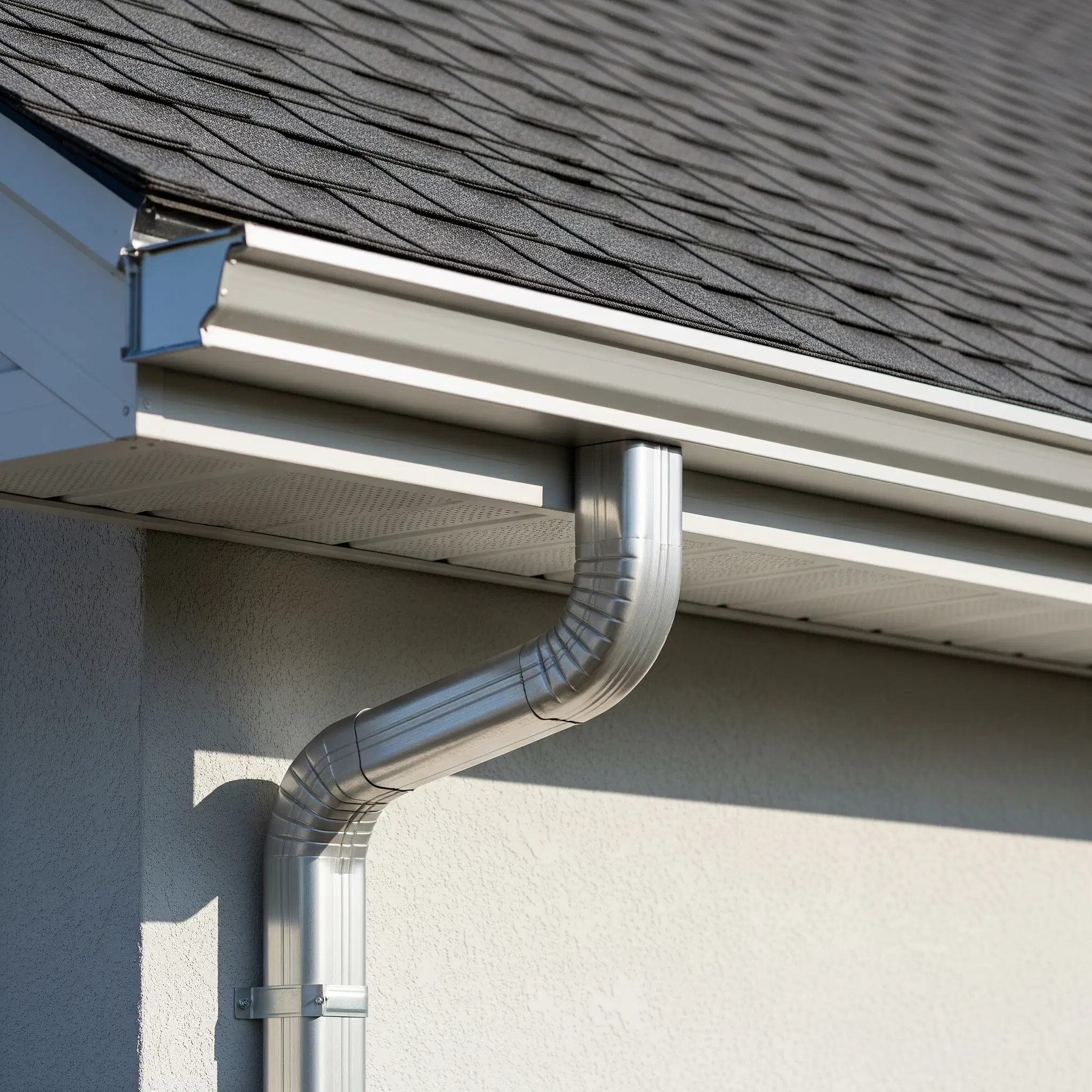
The Hidden Threat of Overflowing Gutters
Gutters are designed to catch water cascading off your roof and channel it safely away from your foundation and exterior walls. When hail dents them, wind bends them, or debris clogs them, this essential system breaks down. Instead of being directed through downspouts, the water overflows directly onto your exterior walls.
Over time, this constant exposure to moisture wears down the protective barriers of your home. It isn't just an aesthetic issue; it's a structural vulnerability. Recognizing the early signs that you need gutter repair can save you from a domino effect of costly exterior problems. If you ignore the failing gutters, the moisture will inevitably find its way behind the protective layers of your house, leading many homeowners to wonder when to replace gutters and siding together.
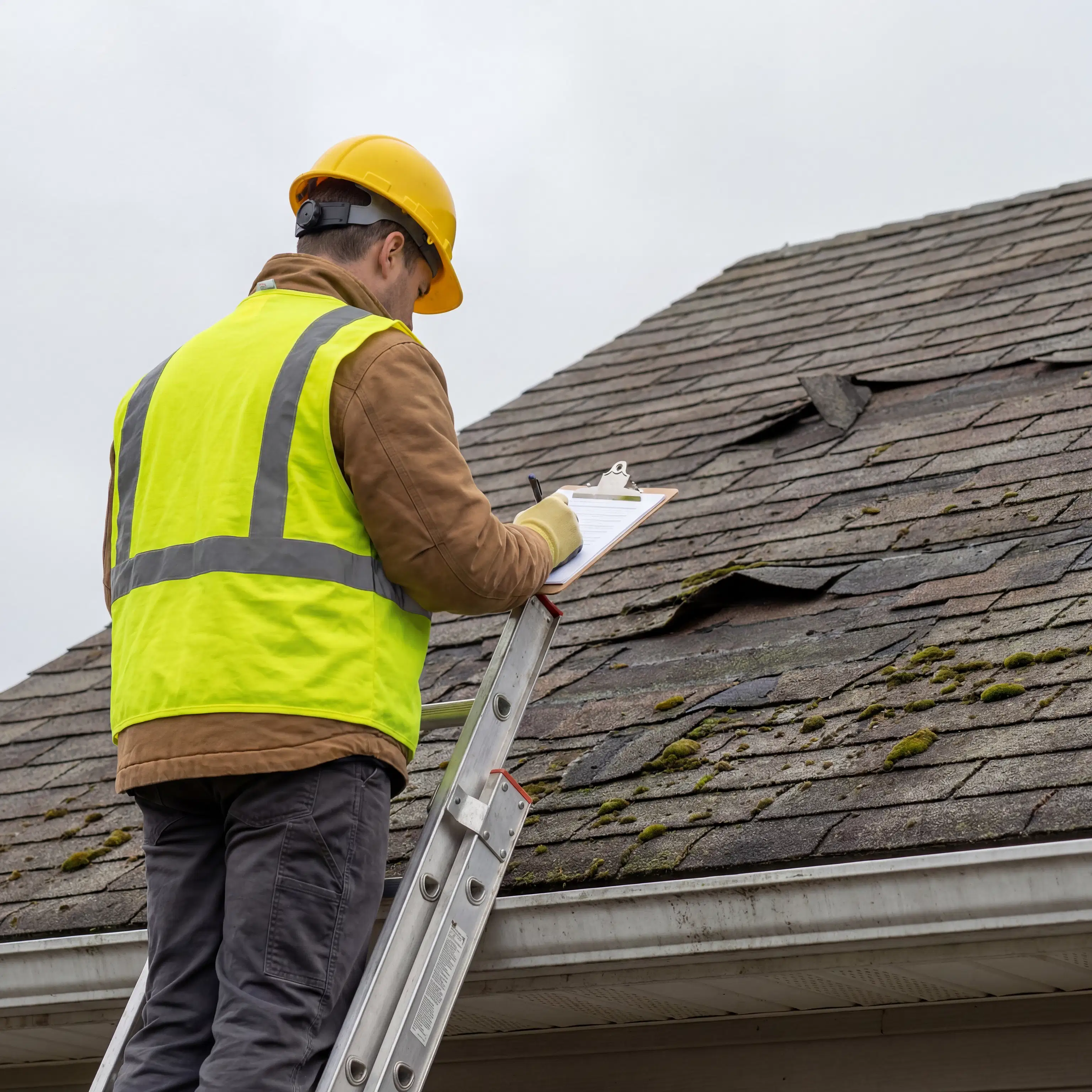
Spotting the Signs of Water Damage Behind Siding
Because the damage often starts from the top down and works its way behind the panels, it can be difficult to spot until the problem is severe. Here are the most common signs of water damage behind siding from gutters that you should watch out for:
- Peeling Paint or Discoloration: If you notice paint blistering or mysterious water stains running vertically down your exterior walls, your gutters are likely overflowing during heavy rain.
- Warped or Buckling Panels: Constant moisture exposure causes materials to swell and warp. If your exterior panels no longer lay flat against the house, water has likely breached the barrier.
- Mold and Mildew Growth: Dark green or black spots near the top of your exterior walls, right beneath the roofline, are clear indicators of trapped moisture.
- Soft Spots and Wood Rot: For homes with wood exteriors or wood sheathing underneath, chronic water exposure leads to rot.
If you notice these symptoms, a simple fix might no longer be enough. You may be looking at needing a full siding replacement. Unfortunately, after severe weather events in Green Country, many out-of-state storm chasers knock on doors offering quick, cheap fixes. Trusting a local expert ensures the root cause—the failing drainage system—is properly addressed alongside the cosmetic damage, backed by a team that will be here long after the storm passes.
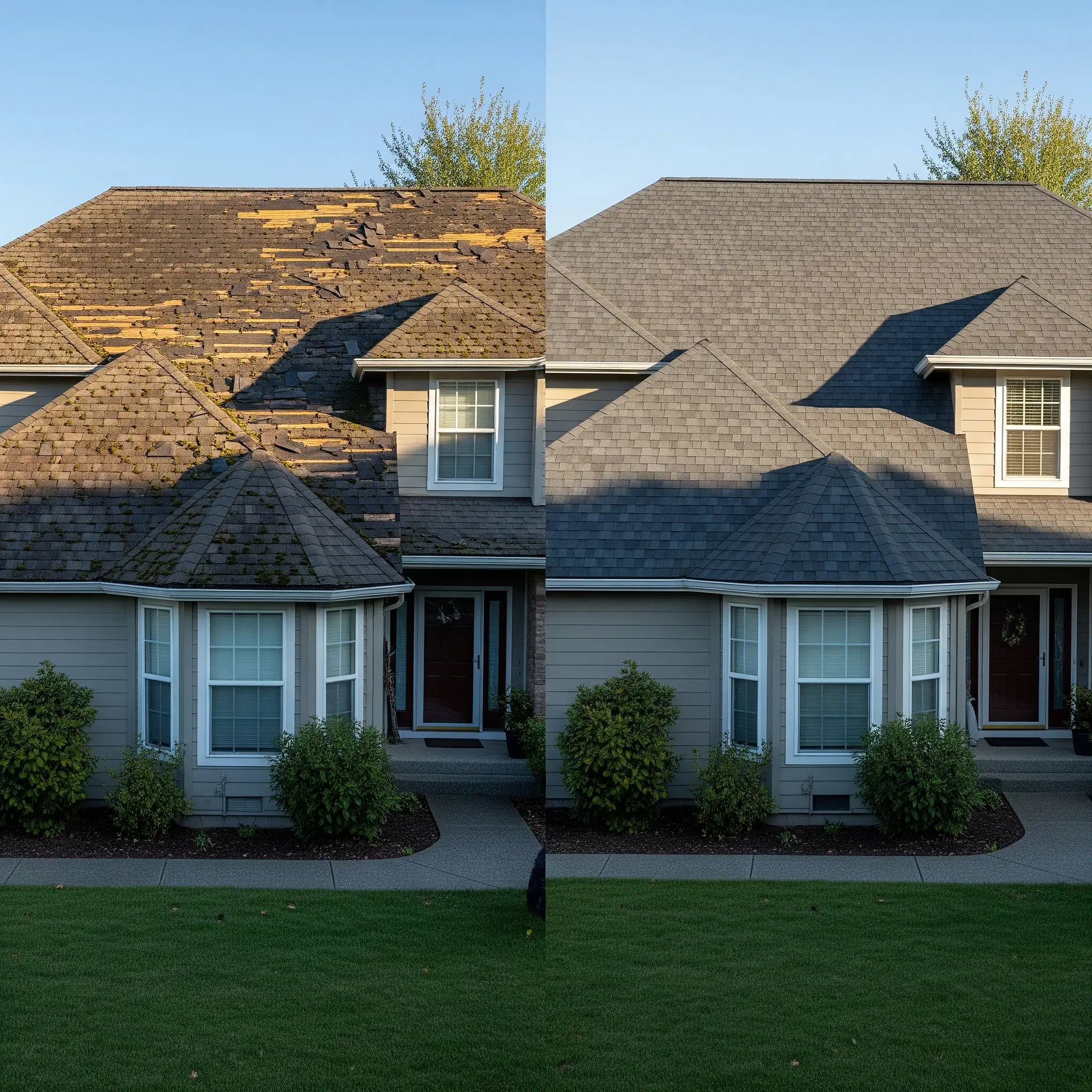
Protect Your Complete Exterior
Your home is one of your biggest investments, and defending it requires a comprehensive approach. A beautiful, newly installed roof won't fully protect your home if the water it sheds isn't being properly managed. If your exterior is showing signs of wear, addressing the entire system at once is often the most cost-effective and secure route. Upgrading your home with a professional gutter replacement ensures that water is safely routed away from your vulnerable walls and foundation.
At A-Team Roofing, we handle everything from navigating complex insurance claims to complete exterior restorations. If you suspect your home has suffered water damage, don't wait for a small leak to become a major structural issue. Contact our local Broken Arrow team today to schedule an inspection and ensure your home is fully equipped to weather the next storm.