
Don't Wait for the Drip: A Homeowner's Guide to Spotting Hidden Roof Leaks
That telltale drip, drip, drip into a bucket is a sound no homeowner wants to hear. But the truth is, a roof leak often starts long before you see any visible water. Here in the Tulsa area, our roofs endure everything from blistering summer sun to intense hail season storms. These hidden leaks can quietly cause significant damage to your home’s structure, insulation, and air quality. The key to protecting your biggest investment is catching these issues early. At A-Team Roofing, we believe an informed homeowner is a prepared homeowner. This guide will walk you through the subtle signs of a hidden roof leak, helping you spot trouble before it becomes a catastrophe.
Telltale Signs Inside Your Home
The first clues of a roof leak often appear far from the roof itself. Your home's interior can give you early warnings if you know what to look for. Keep an eye on the ceilings and walls in your upstairs rooms and closets.
- Stains and Discoloration: Look for water stains on your ceiling, which can appear as yellowish or brownish circles. They might be faint at first and darken after heavy rain. On walls, you might see streaks or spots where water has run down from the ceiling.
- Peeling or Bubbling Paint: Moisture seeping into drywall can cause paint to bubble, blister, or peel away. This is a common sign of a persistent, slow leak. If you notice this happening, especially near the ceiling, it could also be a sign that your exterior paint is compromised. Addressing the source of the moisture is the first step before considering an exterior painting refresh.
- Musty Odors: A persistent, earthy smell in your attic or upper rooms that you can't seem to air out could indicate mold or mildew growth from trapped moisture. This is a serious issue that can affect your family's health and should be investigated immediately.
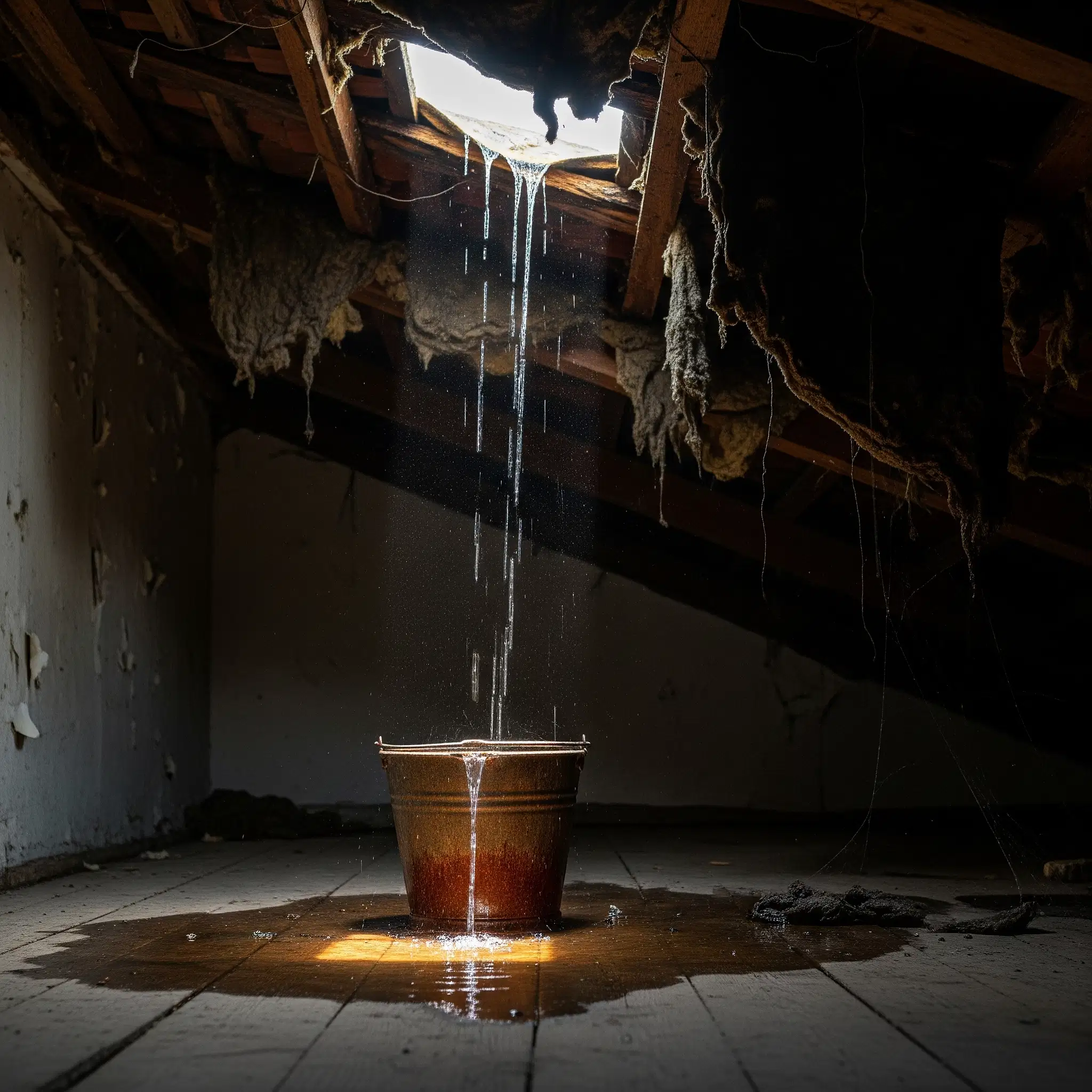
- Visible Drips or Puddles: This is the most obvious sign, but it's worth noting that a leak might only appear during heavy, wind-driven rain. If you see water, the problem has likely been developing for some time.
What to Look for on the Outside
While we always recommend a professional for any on-roof inspections, you can often spot potential problems from the safety of the ground. A quick walk around your property can reveal a lot about your roof's health, especially after a significant storm.
- Damaged or Missing Shingles: Look for shingles that are cracked, curled at the edges, or have missing granules (which often look like coarse black sand in your gutters). High winds can also lift or completely remove shingles, leaving your roof's underlayment exposed.
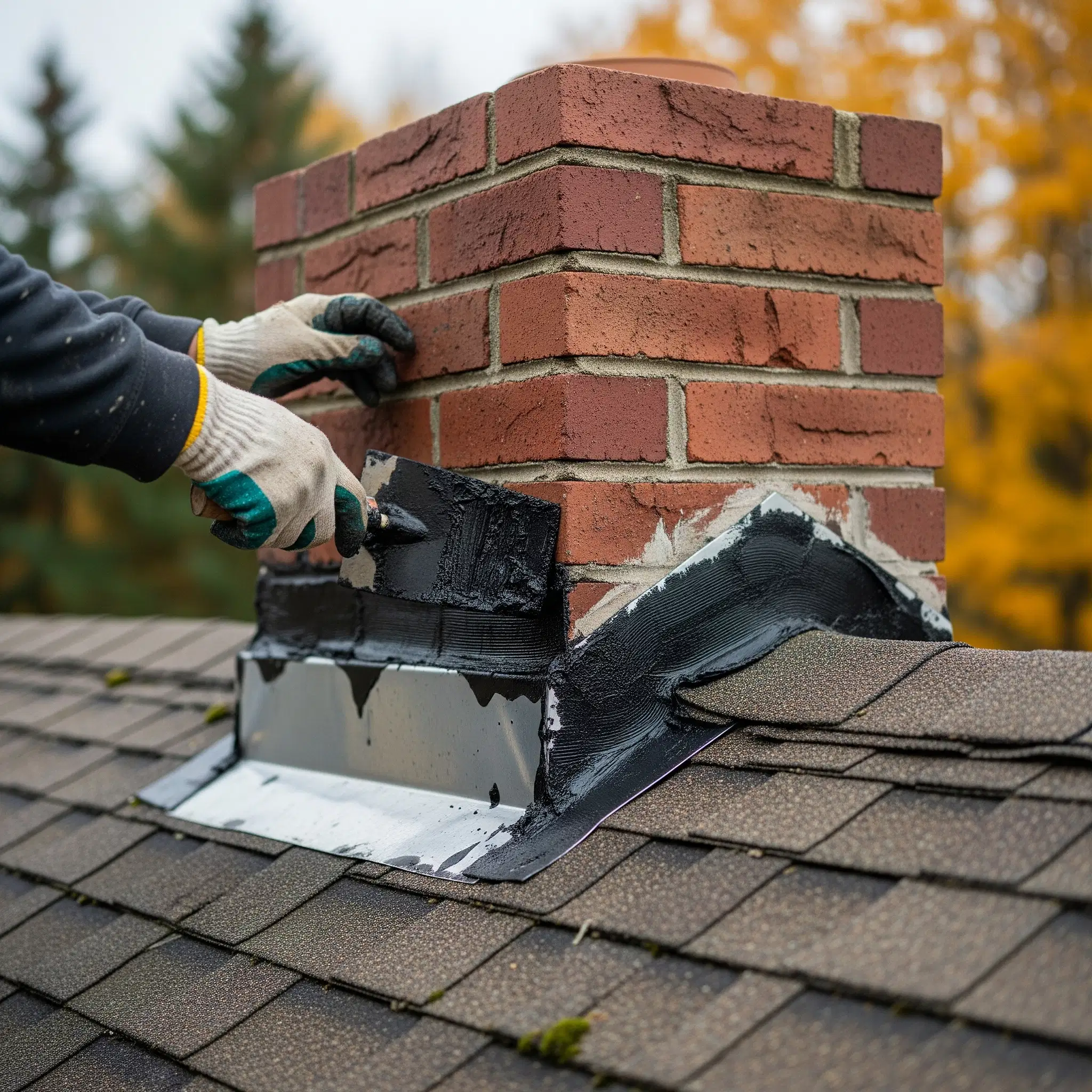
- Cracked Flashing: Flashing is the metal material used to seal joints around chimneys, vents, and skylights. This is one of the most common failure points on a roof. If the sealant is cracked or the metal is bent, it creates a direct path for water to enter your home.
- Clogged or Damaged Gutters: Your gutters are crucial for directing water away from your home. When they are clogged with leaves and debris, water can back up and seep under the edge of your roof. This can lead to rot in the roof decking and fascia boards. Consistent clogs might mean it's time for a professional gutter repair to ensure proper water flow.
- Moss or Algae Growth: While common in shady areas, excessive dark streaks or moss growth can indicate that your shingles are trapping moisture, which can lead to deterioration over time.
The Attic: Finding the Source of the Leak
If you can safely access your attic, it's the best place to confirm a suspected leak. On a sunny day, carefully look for any signs of daylight coming through the roof boards—a sure sign of a hole. During or after a rainstorm, use a flashlight to inspect the underside of the roof decking and the rafters.
Look for:
- Wet or Damp Insulation: Squeeze a small amount of insulation (while wearing gloves). If it feels damp or compressed, water is likely getting in nearby.
- Dark Stains on the Wood: Water will leave dark, stained trails on the wood rafters or decking as it runs down from the entry point.
- Drips or Puddles: Follow any active drips to their highest point to find the source. Remember that water can travel along rafters, so the entry point may be several feet away from where the water is dripping onto your attic floor.
Finding the exact source can be tricky, which is why professional roof repairs are so important. An expert can accurately trace the path of the water and ensure the correct fix is applied.
Your Trusted Local Roofing Partner in Green Country
Ignoring the small signs of a roof leak can lead to expensive problems, including rotted framing, ruined insulation, and dangerous mold growth. Being proactive is the best way to protect your home and your peace of mind. At A-Team Roofing, we're not storm chasers who disappear after the work is done; we're your neighbors, committed to providing reliable, high-quality roofing services to homeowners throughout the Tulsa area.
If you've noticed any of the signs mentioned in this guide or simply want a professional opinion on the state of your roof, don't hesitate to reach out. We offer thorough inspections and a range of services, from minor roof repairs to full replacements. Contact us today to schedule your free, no-obligation estimate and let our team give you the confidence of a secure, leak-free roof.